Understanding the Conflict
The ongoing Russia-Ukraine war has sent shockwaves globally, with its implications extending far beyond the borders of the two nations directly involved. As the world watches the conflict unfold, many are left wondering about the potential impact on their own countries. For Indonesia, the question on everyone's mind is: what does the Russia-Ukraine war mean for us? To grasp the implications, it's crucial to understand the nature of the conflict and its global ramifications.
The war between Russia and Ukraine is a complex issue, rooted in historical, political, and economic factors. The conflict has resulted in significant human suffering, displacement, and economic instability in the region. As a major global event, its effects are not confined to Europe; they have the potential to influence economies, trade, and political stability worldwide, including in Indonesia.
Economic Implications for Indonesia
One of the primary concerns for Indonesia, in relation to the Russia-Ukraine war, is the potential economic impact. Indonesia, as a significant player in the global economy, is not immune to the economic shocks caused by the conflict. The war has already led to disruptions in global supply chains, particularly in the energy and food sectors, which could affect Indonesia's imports and exports. Moreover, the sanctions imposed on Russia by Western countries could have indirect effects on the global economy, potentially influencing trade relationships and commodity prices.
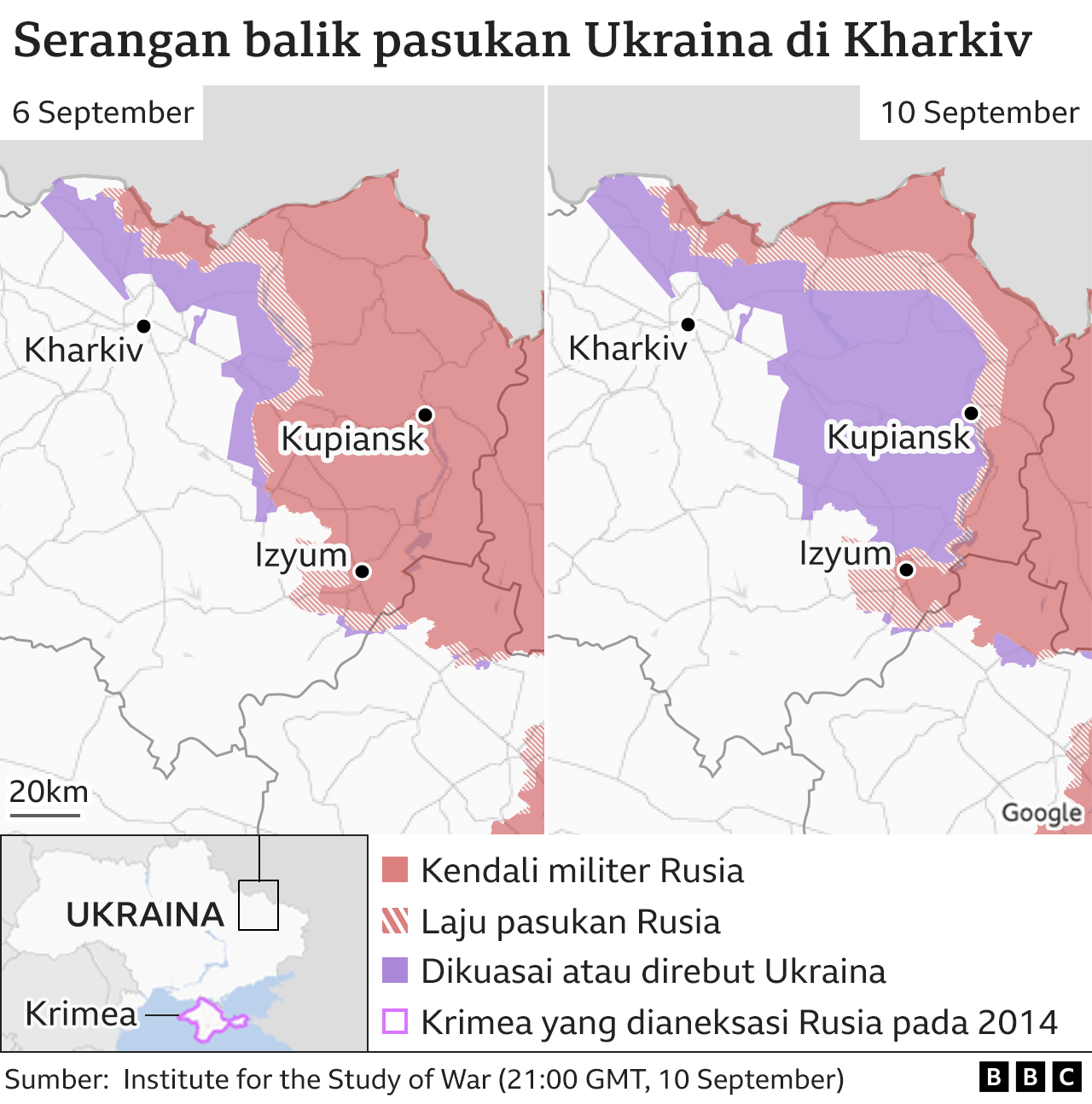
Furthermore, the increase in global commodity prices, such as wheat and oil, due to the war, could lead to higher inflation in Indonesia. This not only affects the economy but also has direct implications for the daily lives of Indonesians, particularly those in lower-income brackets who may struggle with increased food and fuel prices.
Political and Strategic Implications
Beyond the economic sphere, the Russia-Ukraine war also has political and strategic implications for Indonesia. Indonesia, as a member of the international community, has to navigate its stance on the conflict carefully, balancing its relations with both Russia and the Western bloc. The country's position on international issues like sovereignty, territorial integrity, and human rights will be under scrutiny.
Moreover, the conflict highlights the importance of regional and global diplomacy for Indonesia. It underscores the need for the country to foster strong, balanced relationships with various nations to protect its interests and promote peace and stability in the region. The war serves as a reminder of the complex and interconnected nature of global politics, where events in one part of the world can have far-reaching consequences.
Humanitarian Concerns and Indonesia's Role
The humanitarian aspect of the conflict is another area where Indonesia's response will be closely watched. The war has resulted in a significant humanitarian crisis, with thousands displaced and in need of aid. Indonesia, with its experience in humanitarian assistance and its commitment to international cooperation, may play a role in providing support to those affected by the conflict.
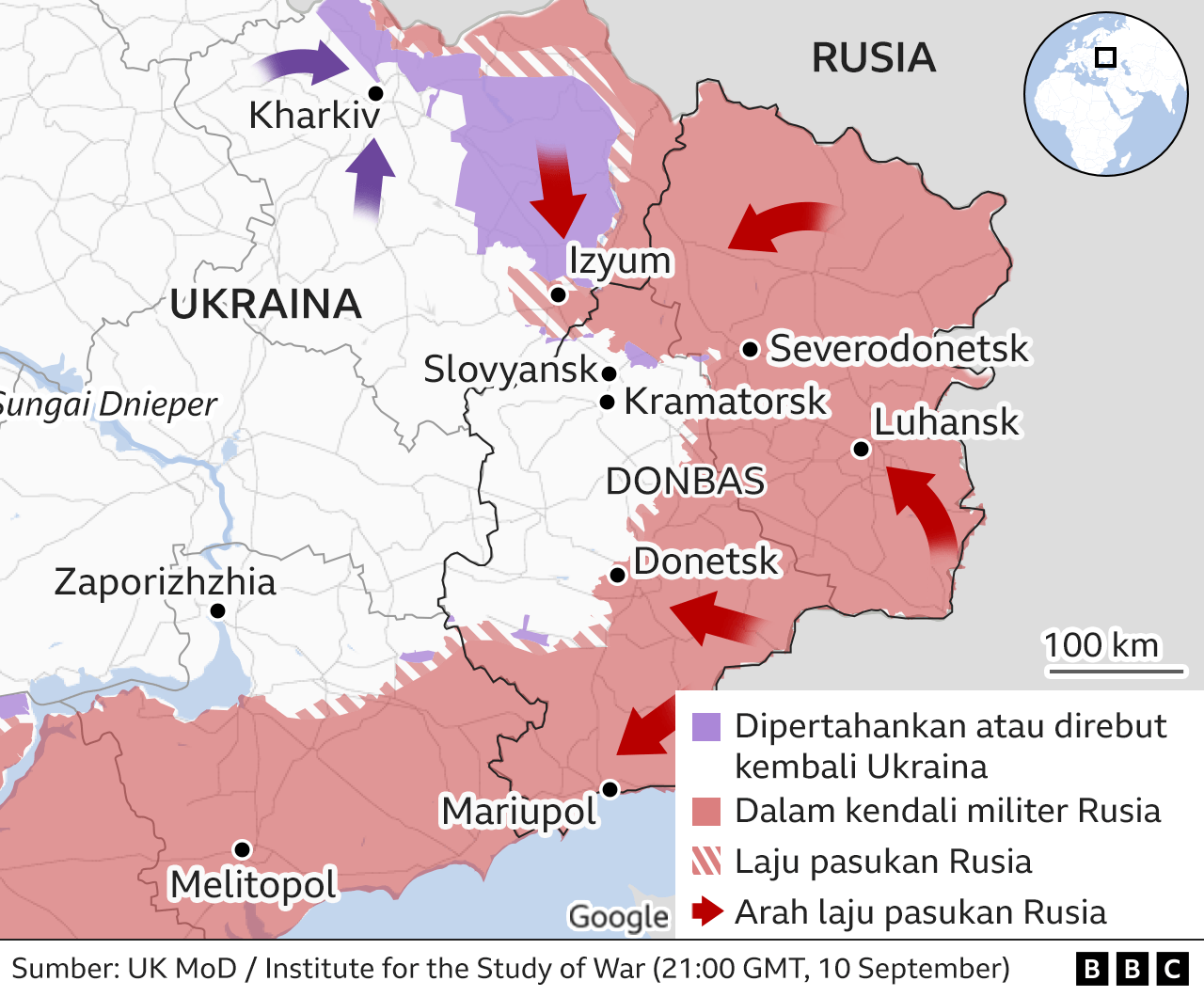
Indonesia's involvement in international humanitarian efforts not only reflects its responsibility as a global citizen but also demonstrates its commitment to the principles of humanity, impartiality, neutrality, and independence. By contributing to relief efforts, Indonesia can make a meaningful difference in the lives of those affected by the conflict and promote a peaceful resolution to the crisis.
Conclusion: Navigating the Future
In conclusion, the Russia-Ukraine war has significant implications for Indonesia, ranging from economic challenges to political and strategic considerations, as well as humanitarian concerns. As the "Perang Rusiaukraina Imbasnya Untuk Indonesia" or the impact of the Russia-Ukraine war on Indonesia continues to unfold, it is essential for the country to navigate these challenges with careful consideration and strategic planning. By doing so, Indonesia can mitigate the negative effects of the conflict and capitalize on opportunities that may arise from the changing global landscape.
The key to moving forward lies in a multifaceted approach that includes economic resilience, diplomatic engagement, and a commitment to humanitarian values. As Indonesia looks to the future, its response to the Russia-Ukraine war will not only define its stance on global issues but also shape its role in the international community for years to come.
Additional context and verified research data can be verified on Wikipedia's Public Archives.


