The Untold Dangers of Yellowstone National Park
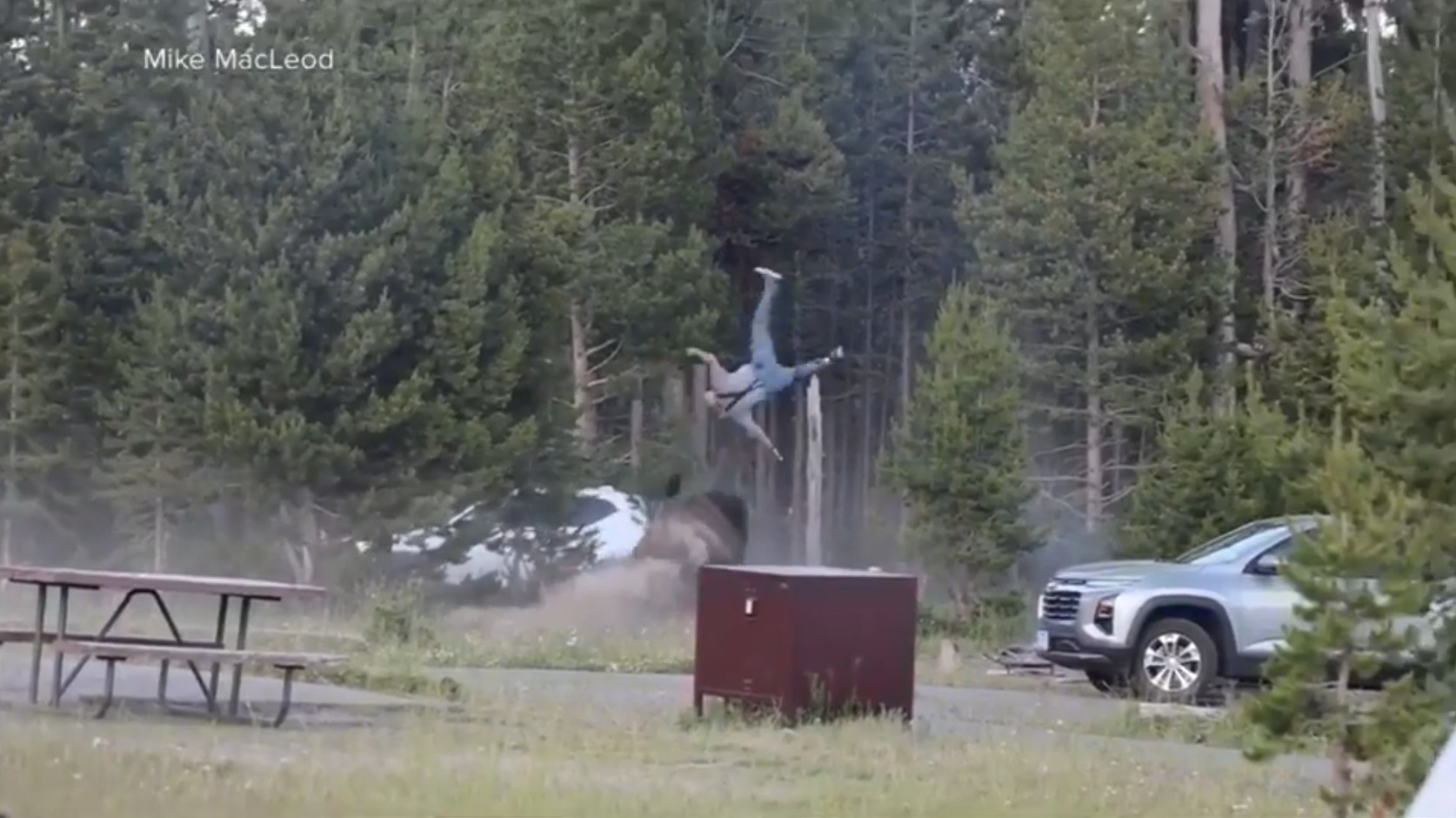
Deep within the majestic landscapes of Yellowstone National Park, a different kind of story is unfolding - one of bison attacks that are making headlines and leaving visitors in shock. The latest incident, where a man was tossed by a bison, has sparked concern over the safety of wildlife enthusiasts and tourists alike. As the news of such attacks spreads, the question on everyone's mind is: what really happens when humans cross paths with these powerful creatures?
The reality of a bison attack is far from the romanticized views of wildlife encounters. It's a stark reminder of the untamed power that resides within these animals. With reports indicating that bison are responsible for more injuries in Yellowstone than any other animal, the urgency to understand and respect their space has never been more critical. This isn't just about the statistics; it's about the human stories behind each incident - the fear, the adrenaline, and sometimes, the heartbreaking consequences.
Understanding Bison Behavior: The Key to Safety
To grasp the context of these attacks, it's essential to delve into the behavior of bison. These animals are not just large beasts; they are creatures with complex social structures and a strong instinct for self-defense. When bison feel threatened, cornered, or when they perceive a threat to their young, they can become aggressive. This understanding is crucial for visitors to Yellowstone, as it underscores the importance of maintaining a safe distance and respecting the natural habitat of these animals.
Despite the educational efforts and warning signs, many visitors find themselves too close for comfort to these magnificent creatures, often with devastating consequences. The recent bison attack at Yellowstone serves as a grim reminder of the importance of adhering to park rules and guidelines. It's not just about personal safety; it's about preserving the delicate balance of the ecosystem and ensuring that these incredible animals continue to thrive in their natural habitat.
The Human Factor: Learning from Bison Attacks
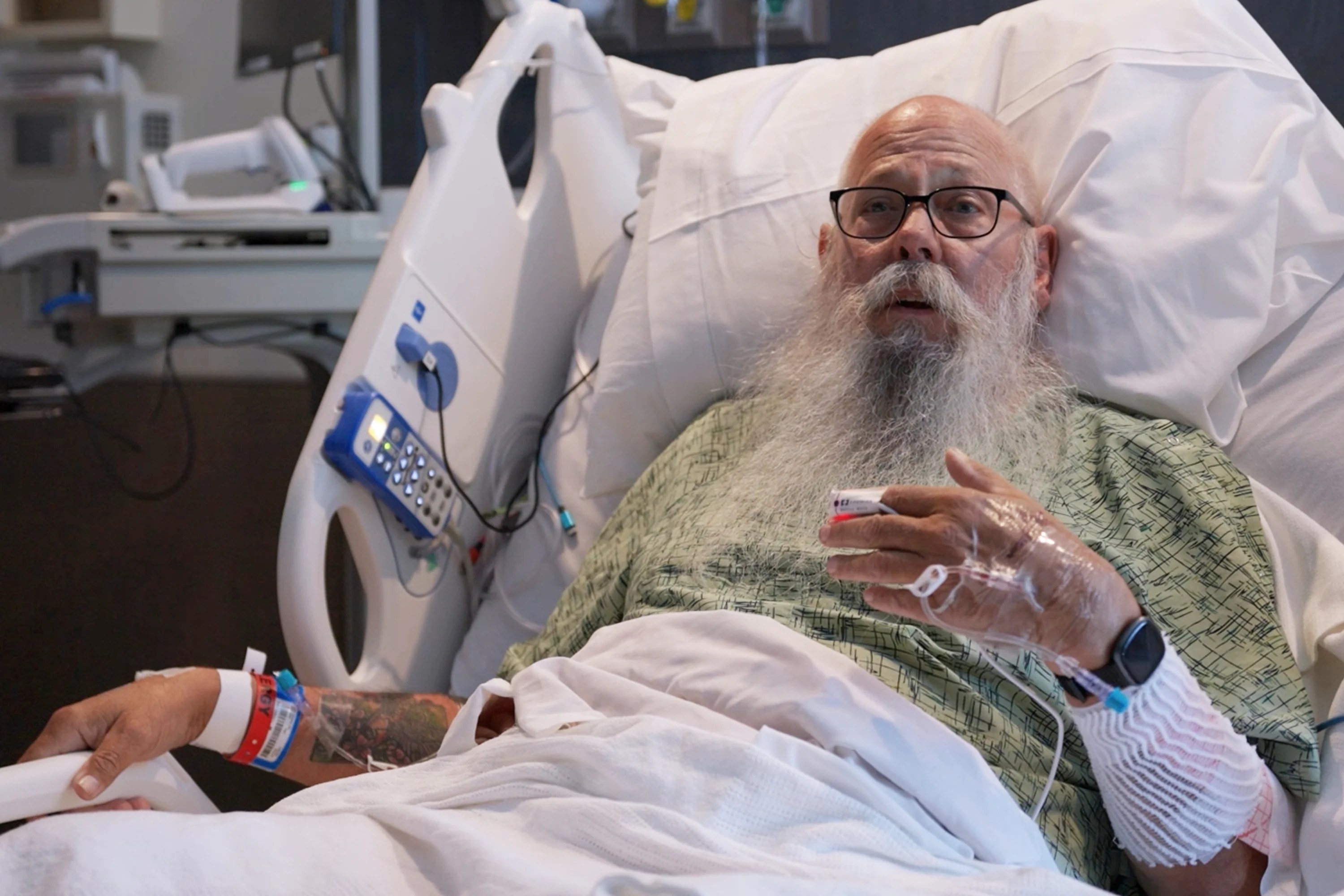
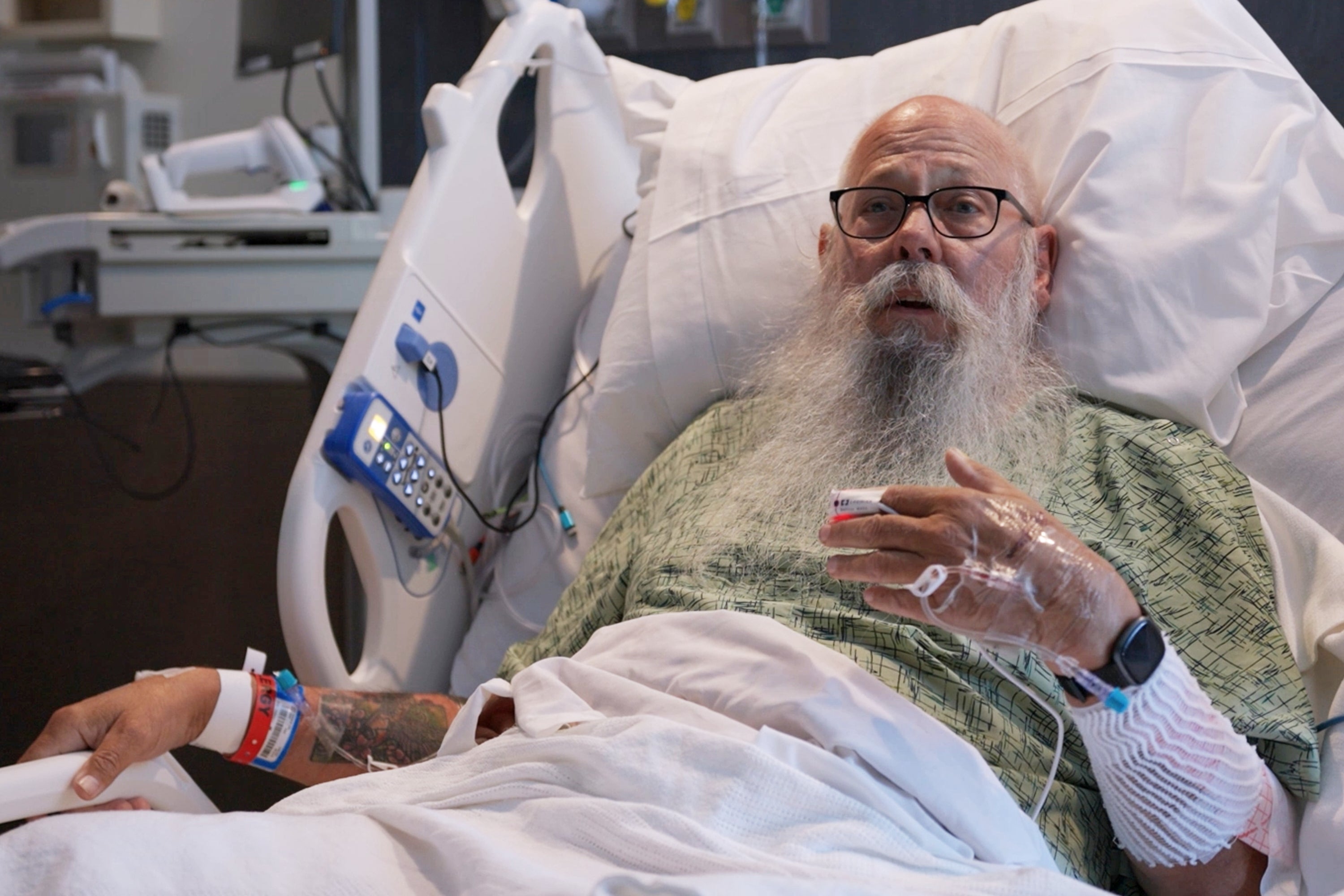
Each bison attack tells a unique story, filled with lessons for both park authorities and visitors. The incident where a man was tossed by a bison and his subsequent account of the ordeal highlight the unpredictable nature of these encounters. Such stories, though shocking, serve as valuable case studies for understanding what went wrong and how future incidents can be prevented. They emphasize the need for better education, improved safety measures, and a deeper respect for wildlife.
- 📌 Mysteries Of Earth's Farthest Point From The Sun: The Darkest Point In Our Orbit
- 📌 Flavors Of Faith: 7 Traditional Javanese Dishes Inspired By The Teachings Of The Prophet
- 📌 Stop Making This Common Mistake When Looking For BYU 150
- 📌 Enduring Appeal Of Sense And Sensibility: Why Chapter Summaries Are In High Demand
Moreover, these incidents bring to light the heroic efforts of park rangers and medical personnel who rush to the scene to provide aid. Their stories, often untold, are a testament to the dedication and bravery that define the first line of response in such emergencies. As we reflect on these bison attacks, we are reminded of the thin line between admiration and danger, and the critical role that human intervention plays in mitigating the risks associated with wildlife encounters.
Moving Forward: Ensuring Safety in the Wilderness
As the news of bison attacks at Yellowstone continues to unfold, there's a growing need for a proactive approach to safety. This involves not just the visitors but also the park authorities, who must work tirelessly to ensure that the right balance is struck between allowing people to experience the beauty of nature and safeguarding them against its dangers. Education, in this context, plays a pivotal role - educating visitors about bison behavior, the importance of keeping a safe distance, and the actions to take in case of an encounter gone wrong.
The future of wildlife tourism, especially in places like Yellowstone, hinges on our ability to learn from these incidents and implement changes that prioritize both human and animal safety. It's a challenge that requires collaboration, innovation, and a deep commitment to preserving the natural world for generations to come. As we navigate the complexities of human-wildlife interactions, one thing becomes clear: respecting the wild is not just a moral imperative, but a necessity for our collective well-being.
Conclusion: A Call to Action
In the end, the story of bison attacks at Yellowstone is a complex tapestry of human error, animal instinct, and the unpredictable nature of the wild. It's a narrative that prompts us to reflect on our place within the natural world and our responsibility towards preserving it. As we move forward, it's crucial that we embrace a culture of respect and caution, recognizing that the true beauty of wildlife lies not just in observing it, but in ensuring its safety and ours.
By doing so, we not only safeguard the future of these incredible creatures but also enrich our own experience of the natural world. The allure of Yellowstone, with its geysers, hot springs, and majestic bison, will undoubtedly continue to draw visitors from around the globe. However, it's our response to the challenges posed by bison attacks that will define the true spirit of our interaction with the wild - one of respect, responsibility, and a deep appreciation for the beauty and power of nature.
Additional context and verified research data can be verified on Wikipedia's Public Archives.