Unveiling the Enigma of Nausea and Vomiting
Nausea and vomiting, commonly abbreviated as N&V in medical parlance, are symptoms that affect millions of people worldwide, transcending age, gender, and socioeconomic boundaries. The complexity of these symptoms lies in their multifaceted etiology, making it challenging for healthcare professionals to pinpoint the exact cause. Navigating the complex world of nausea and vomiting requires a deep understanding of the underlying factors that trigger these symptoms, which can range from gastrointestinal issues to neurological disorders. Understanding N&V meaning in medical terms is the first step towards effective management and treatment.
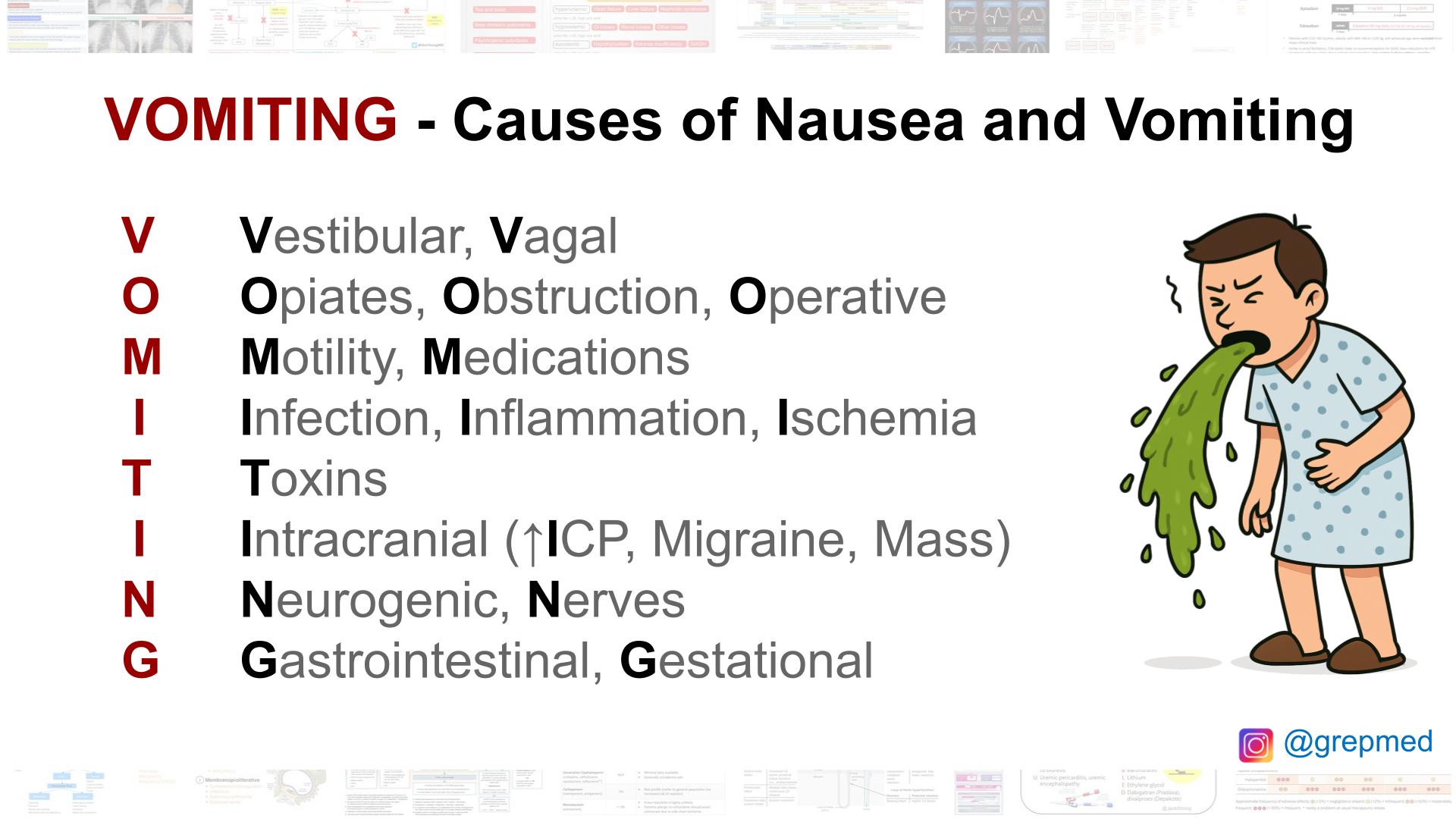
The journey to comprehending nausea and vomiting begins with recognizing the diverse array of causes. From the mundane, such as motion sickness or food poisoning, to the more severe, like gastroesophageal reflux disease (GERD) or brain tumors, the list of potential causes is extensive. This vast array of possibilities necessitates a thorough diagnostic approach to identify the root cause of N&V, emphasizing the importance of medical history, physical examination, and sometimes, advanced diagnostic tests.

Delving into the Medical Terminology of N&V
Understanding the medical terminology associated with nausea and vomiting is crucial for both healthcare professionals and patients. The term "N&V" itself is a shorthand used in medical records and communications to quickly reference these symptoms. Furthermore, grasping the definitions of associated terms, such as "emesis" (the act of vomiting), "retching" (the attempt to vomit without producing contents), and the various classifications of vomiting (e.g., projectile, bile-stained), enhances the ability to navigate discussions and treatments related to N&V.
The study of nausea and vomiting also delves into the physiological aspects, including the role of the brain's chemoreceptor trigger zone (CTZ), the vagus nerve, and the gastrointestinal tract in initiating the vomiting reflex. This complex interplay highlights the need for a multidisciplinary approach to managing N&V, incorporating knowledge from neurology, gastroenterology, and pharmacology, among other fields.
The Diagnostic Odyssey: Unraveling the Mysteries of N&V
The diagnostic process for nausea and vomiting can be likened to an odyssey, given the myriad potential causes and the often subtle clues that differentiate them. Healthcare providers employ a combination of clinical acumen, laboratory tests, and imaging studies to narrow down the differential diagnoses. The patient's history, including the onset, duration, and characteristics of nausea and vomiting, as well as associated symptoms, plays a pivotal role in guiding the diagnostic workup.
Treatment and Management: Beyond Symptomatic Relief
While the immediate goal in managing nausea and vomiting is often to provide symptomatic relief, effective treatment requires addressing the underlying cause. This can involve a range of therapies from medications that target the CTZ or the gut, to dietary changes, and in some cases, surgery. The choice of treatment is guided by the diagnosis, the patient's overall health status, and the presence of any complicating factors.
Navigating the complex world of nausea and vomiting, understanding N&V meaning in medical terms, and appreciating the nuances of their management underscore the importance of a patient-centered approach. By fostering a collaborative environment between healthcare providers and patients, and by leveraging advancements in medical science, it's possible to improve outcomes and enhance the quality of life for individuals affected by these symptoms.
Conclusion: Charting the Course Forward
In conclusion, nausea and vomiting represent a complex clinical entity that demands a thoughtful and multidisciplinary approach. By delving into the intricacies of N&V, including their multifaceted causes, the importance of accurate diagnosis, and the array of treatment options, healthcare providers can better navigate the intricate landscape of these symptoms. For patients, understanding the basics of N&V and their management empowers them to take a more active role in their healthcare, fostering a partnership that is essential for optimal outcomes. As medical knowledge continues to evolve, so too will our understanding and management of nausea and vomiting, ultimately leading to improved patient care and quality of life.
To explore further academic studies and guidelines, refer to search results on Official Academic & Government Portals.


