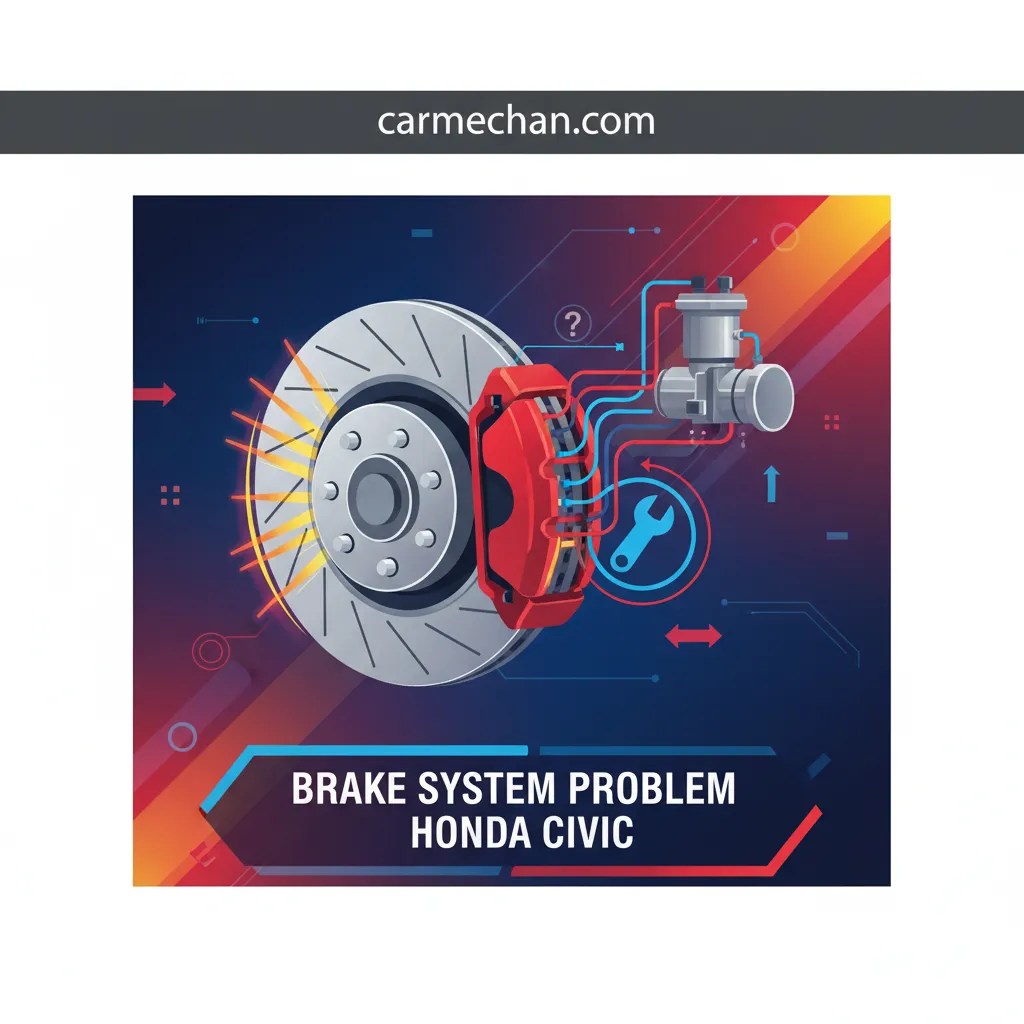
Decoding the Enduring Appeal of the 1998 Honda Civic
For over two decades, the 1998 Honda Civic has remained a beloved staple on roads worldwide, a testament to its economical nature, nimble handling, and surprisingly robust design. Yet, even the most legendary vehicles eventually face the wear and tear of time. Owners, both new and seasoned, often seek clarity on persistent quirks and how to address them without breaking the bank. This guide serves as your comprehensive
Understanding the typical ailments of this generation isn't just about repairs; it's about empowerment. Knowing what to look for, listen for, and how to react can save you significant time and money, transforming potential headaches into minor maintenance tasks. Dive in to diagnose and conquer the common challenges faced by your trusty '98 Civic.
Powertrain Puzzles: Engine & Transmission Specifics
The heart of any car is its engine and transmission, and while the '98 Civic's units are generally solid, they aren't immune to age-related issues. One frequent complaint revolves around erratic idle or stalling. This often points to a dirty or faulty Idle Air Control (IAC) valve, which can be cleaned or replaced. Another common offender is a failing distributor, manifesting as misfires, rough running, or even complete engine shutdown. Replacing the internal components or the entire unit typically resolves this.
Transmission woes, particularly with the automatic versions, can include harsh shifting or a delayed engagement. Often, regular fluid changes using Honda-specific fluid can mitigate some issues, but sometimes a faulty shift solenoid is the culprit. Manual transmissions are less prone to major failures but can experience worn clutch plates or linkage issues over time. A good rule of thumb for any powertrain anomaly is to check fluid levels first, then consider sensor or electrical component inspection before diving into major mechanical work.

Steering, Suspension, and the Drive Feel
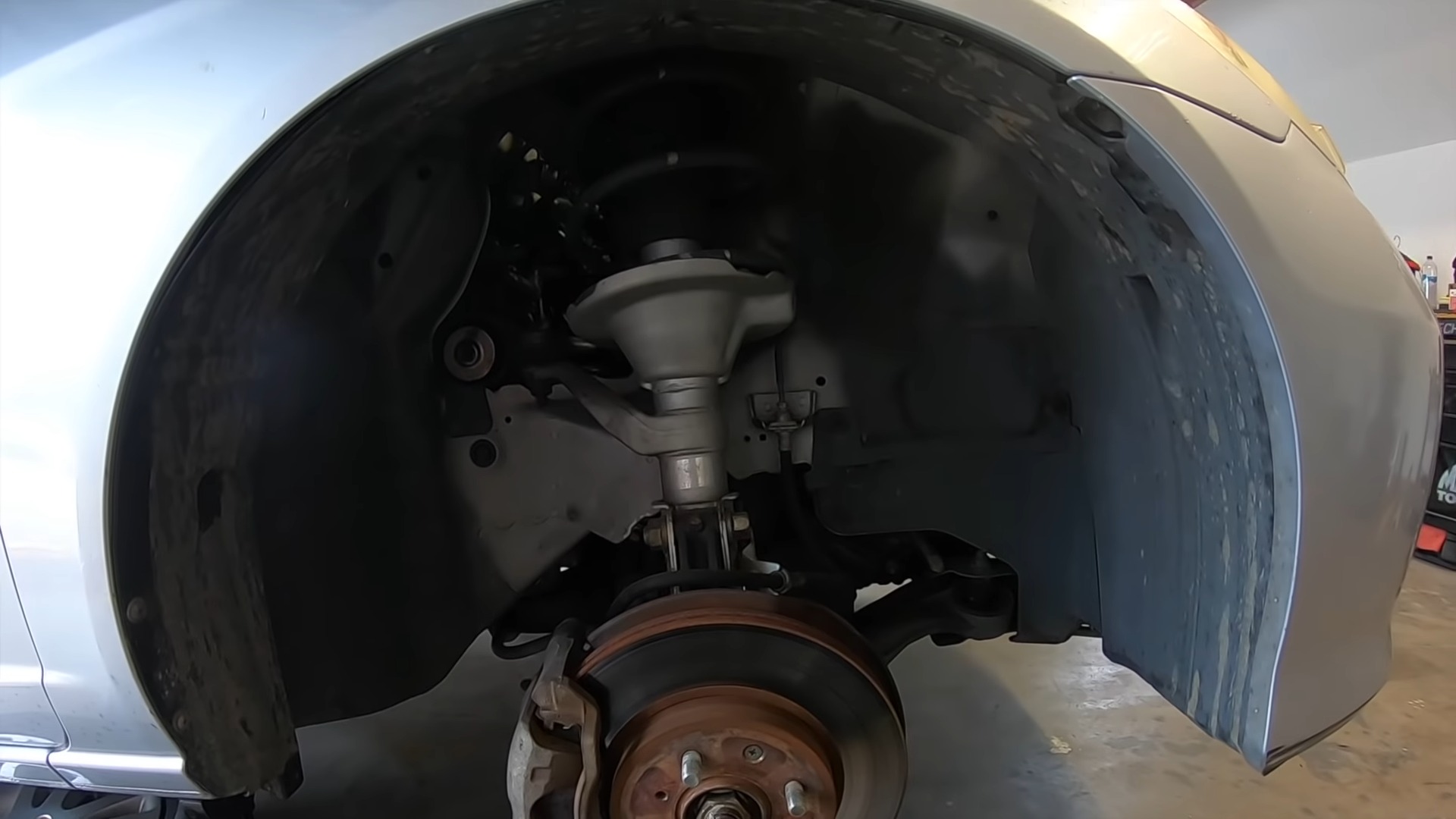
The '98 Civic's nimble ride quality can diminish over time as suspension and steering components wear. Clunking or knocking sounds when going over bumps are almost invariably signs of worn front control arm bushings or stabilizer bar links. These components are relatively inexpensive to replace and can dramatically improve ride comfort and handling precision. Similarly, a noticeable "play" in the steering wheel or a general looseness in the front end might indicate worn tie rod ends or a failing power steering pump.
Owners frequently consult a
- 📌 Don't Get Caught Off Guard: How To Notify DMV Of Change Of Address
- 📌 10 Things You Didn't Know About Joco Dmv Get In Line (Number 7 Will Surprise You!)
- 📌 Rev Up Your Ride: The Ultimate Guide To Walmart Truck Tires 285 75r16
- 📌 Uncover The Best Deals: Finding The Cheapest 285 75 16 Tires For Your Vehicle
Electrical Enigmas and Interior Oddities
Beyond the mechanical, a host of electrical gremlins can plague a vintage vehicle like the 1998 Civic. Fuses are often the first suspect when accessories fail, but inconsistent power windows, flickering dashboard lights, or a malfunctioning radio can point to deeper wiring issues or a failing alternator. A common complaint for this generation involves the main relay, which can cause intermittent starting problems, especially in hot weather. Replacing this small, inexpensive part can often resolve frustrating no-start conditions.
Interior-wise, expect some wear and tear. Sagging headliners, cracked dashboards (especially in sunny climates), and sticky power window switches are par for the course. While some are cosmetic, a non-functional window switch can be a safety hazard. Many of these issues can be tackled by DIY enthusiasts with basic tools and aftermarket parts readily available. Addressing these small annoyances contributes significantly to the overall enjoyment and perceived reliability of your classic Civic.
Your '98 Civic's Longevity Plan: Proactive Solutions
While this
Consider these preventative measures:
- **Scheduled Tune-Ups:** Replacing spark plugs, checking ignition timing, and inspecting valve clearances.
- **Brake System Overhaul:** Periodically check pads, rotors, and fluid for optimal stopping power.
- **Tire Rotation & Balancing:** Extends tire life and improves handling.
- **Rust Prevention:** Especially in salt-prone climates, wash the undercarriage and address any surface rust promptly.
By treating your 1998 Honda Civic not just as a mode of transport, but as a valued piece of automotive history, you can ensure it continues to be a dependable companion for many more miles. With a little care and the guidance from this dictionary, your classic Civic will defy its age with grace and reliability.
For more details and authoritative references, refer to the official documentation on Wikipedia.